Indonesia Coal Deal Stalls: $20B Plan Fails to Shut Plants
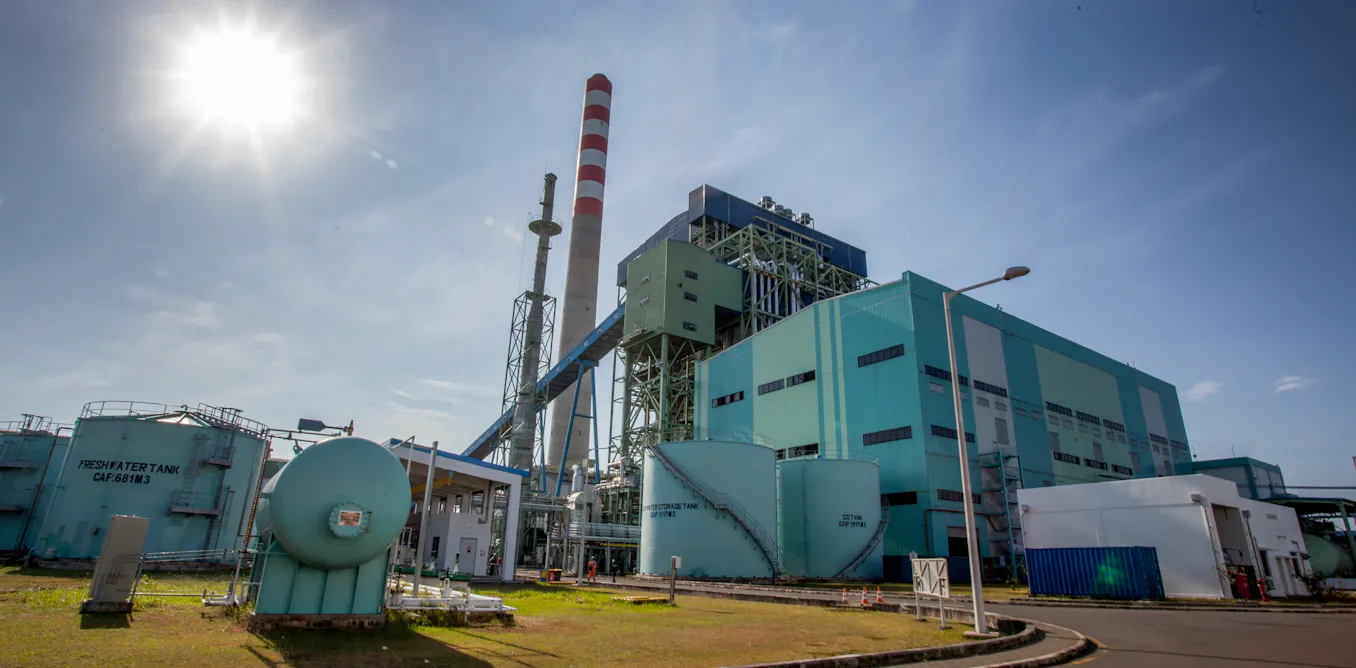
A landmark $20 billion climate finance agreement aimed at phasing out coal power in Indonesia has reportedly failed to retire a single power plant, raising serious concerns about the future of climate commitments and international funding mechanisms. The initiative, initially hailed as the world’s most ambitious coal phase-out deal, was established to accelerate Indonesia's transition away from coal and towards renewable energy sources.
The agreement, structured as a debt-for-nature swap, involved a consortium of Western banks purchasing Indonesian government bonds. The proceeds were then earmarked for early retirement of coal-fired power plants and investment in renewable energy projects. However, according to recent reports, the funds have not been used as intended, and no coal plants have been decommissioned.
Sources close to the deal attribute the failure to a combination of factors, including bureaucratic hurdles within the Indonesian government, disagreements over the selection of plants for retirement, and a lack of clear accountability mechanisms. The complexity of the financial structure and the involvement of multiple stakeholders have also been cited as contributing to the delays.
Indonesia, a nation heavily reliant on coal for its energy needs, is the world's largest archipelagic state and a major emitter of greenhouse gases. The country has pledged to reach net-zero emissions by 2060, but the stalled coal phase-out deal casts doubt on its ability to meet this target. The deal was intended to serve as a model for similar agreements with other developing nations, particularly those with significant coal dependencies.
The failure of this initiative has broader implications for climate finance, highlighting the challenges of securing and deploying funding for climate action in developing countries. It raises questions about the effectiveness of debt-for-nature swaps and the need for greater transparency and accountability in international climate agreements. Experts are now calling for a thorough review of the deal and a reassessment of the strategies used to promote a just and equitable energy transition in Indonesia and beyond.