
5 Lifestyle Changes May Ease IBD Symptoms, Say Doctors
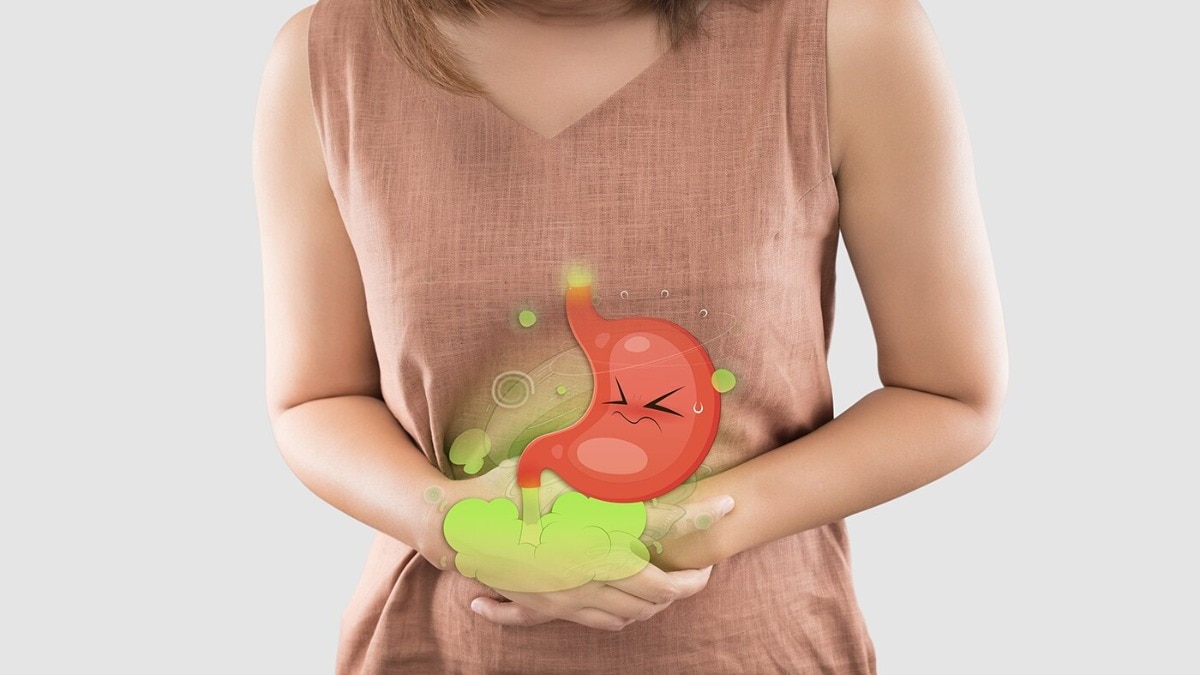
Individuals living with inflammatory bowel disease (IBD) may find relief through five key lifestyle adjustments, according to medical professionals. These changes, outlined by doctors, are designed to complement, not substitute, ongoing medical treatment and regular check-ups.
IBD, encompassing conditions like Crohn's disease and ulcerative colitis, affects a significant portion of the UK population, causing chronic inflammation of the digestive tract. Symptoms can vary widely but often include abdominal pain, diarrhoea, rectal bleeding, weight loss, and fatigue. While medication remains crucial for managing IBD, adopting supportive lifestyle habits can play a vital role in symptom control and overall well-being.
The five recommended changes focus on diet, stress management, sleep, exercise, and hydration. Specific dietary recommendations often involve identifying and avoiding trigger foods, which can vary from person to person. A food diary can be helpful in pinpointing these culprits. Many individuals find that reducing processed foods, saturated fats, and sugary drinks beneficial. Conversely, an increase in fibre-rich foods, lean proteins, and anti-inflammatory foods like oily fish and fruits may help.
Stress is a known exacerbating factor for IBD. Implementing stress-reducing techniques such as mindfulness, yoga, or meditation can positively impact symptoms. Regular, moderate exercise, even gentle activities like walking, can also contribute to stress reduction and overall health.
Adequate sleep is essential for the body’s healing processes. Aiming for 7-9 hours of quality sleep per night can help regulate the immune system and reduce inflammation. Staying well-hydrated throughout the day is also important for digestive health and can help prevent dehydration caused by diarrhoea.
Doctors emphasise that these lifestyle changes are not a replacement for prescribed medications or regular consultations with a gastroenterologist. They serve as valuable additions to a comprehensive IBD management plan, empowering individuals to take an active role in their health journey. Individuals with IBD should always discuss any lifestyle changes with their healthcare team to ensure they are appropriate and safe for their specific condition and treatment plan.


