China Expands Tech List to Include AI Chips Amid US Restrictions
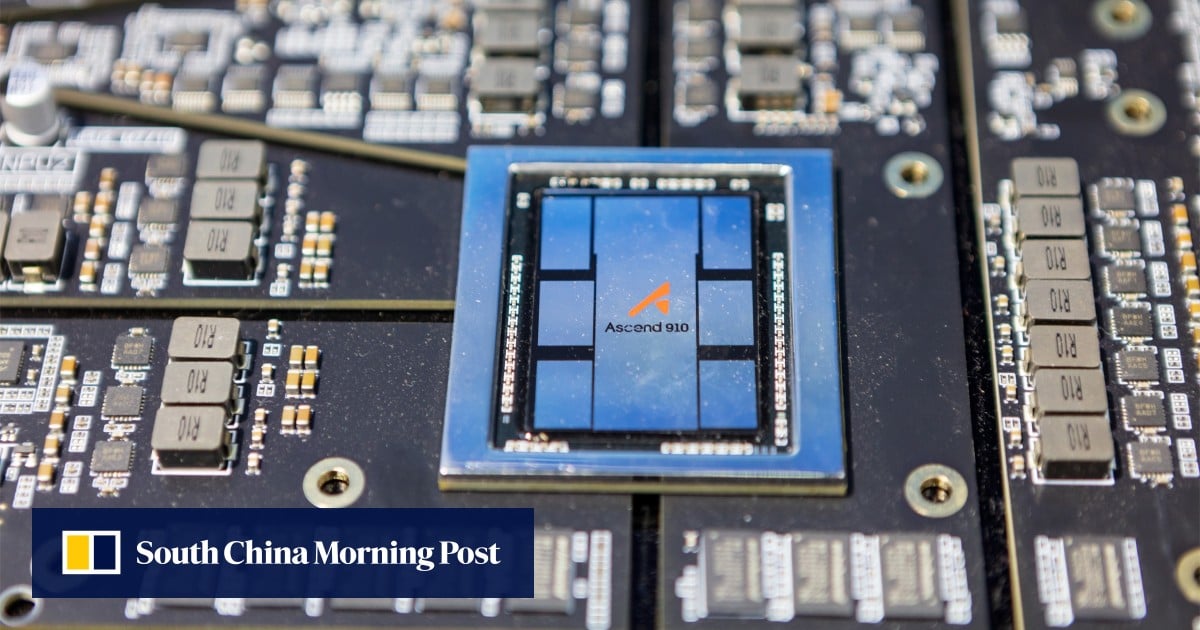
Beijing has broadened its trusted technology certification system to encompass artificial intelligence (AI) processors, according to a newly released list. This move comes as China actively seeks to encourage the adoption of domestically produced semiconductors, particularly in response to ongoing restrictions imposed by the United States.
The updated list, published by China's Ministry of Industry and Information Technology (MIIT), signals a significant escalation in Beijing's efforts to bolster its semiconductor industry and reduce reliance on foreign technology. The inclusion of AI chips marks a crucial step, given the increasing importance of AI in various sectors, from manufacturing and finance to defence.
The 'secure technology assessment' list, as it is known, identifies components deemed trustworthy and suitable for use in critical infrastructure and sensitive applications. Inclusion on the list allows companies to benefit from preferential government support and access to funding. Previously, the list primarily focused on processors used in telecommunications equipment and other core technologies.
The US has implemented a series of export controls aimed at limiting China's access to advanced semiconductors and the technology needed to manufacture them. These restrictions have prompted China to accelerate its domestic chip development initiatives, viewing self-sufficiency in semiconductors as a matter of national security. The expansion of the trusted technology list is a direct consequence of this strategic imperative, aiming to create a viable ecosystem for homegrown AI chip producers.
Analysts suggest that the move will likely spur further investment in China’s AI chip sector and encourage greater adoption of domestic alternatives. However, challenges remain in terms of catching up with the technological lead held by US and other international chip manufacturers. The ongoing trade tensions and technological competition between the US and China are expected to continue shaping the global semiconductor landscape.

;Resize=620)