
BrahMos Missiles: Vietnam Deal & Tech Behind India's Flagship
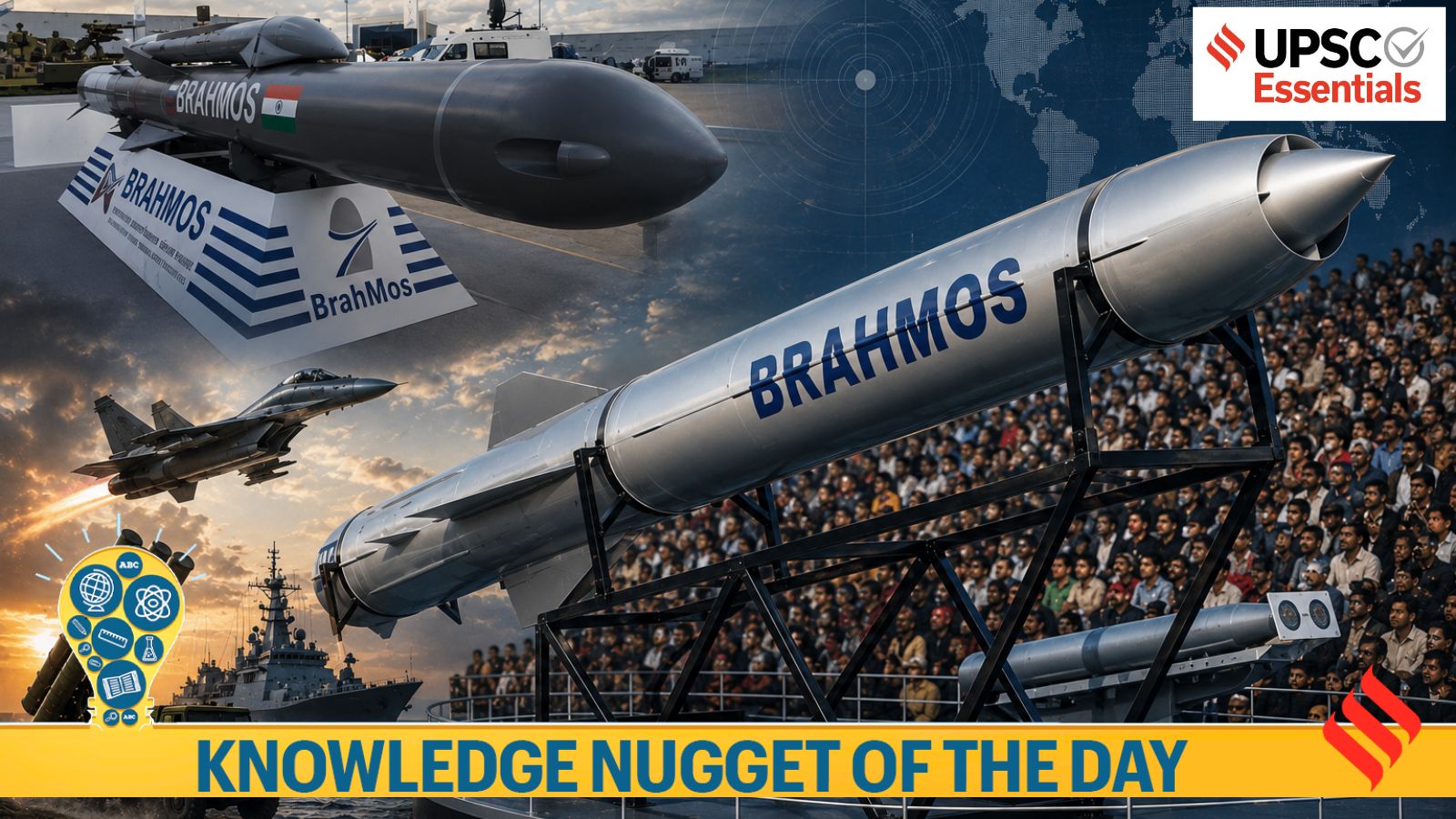
India's BrahMos missile system is attracting global interest, with Vietnam recently signing a deal and Indonesia nearing an agreement. This development highlights the growing international recognition of this advanced weapon system. But what distinguishes BrahMos from other missiles, and what cutting-edge technologies underpin its capabilities?
BrahMos is a supersonic cruise missile, a joint venture between India’s Defence Research and Development Organisation (DRDO) and Russia’s Military Industrial Complex (MIC). The name ‘BrahMos’ is a combination of the Brahmaputra and Moskva rivers, signifying the collaborative nature of the project. It's unique because it combines the best features of Russian and Indian missile technologies.
Unlike ballistic missiles that follow a high arc trajectory, BrahMos flies within the atmosphere, making it harder to detect and intercept. The missile's speed – reaching up to Mach 3 (three times the speed of sound) – is a key differentiator. This supersonic capability provides a significant advantage in terms of reaction time for potential adversaries.
The technology behind BrahMos is complex, incorporating several advanced systems. It utilizes a dual-stage propulsion system – a booster stage for initial acceleration and a cruise engine for sustained supersonic flight. The missile’s guidance system employs a combination of inertial navigation, GPS, and active radar homing, ensuring pinpoint accuracy even in challenging environments. Different variants of BrahMos exist, including land-based, ship-based, and air-launched versions, demonstrating its versatility.
The recent deals with Vietnam and Indonesia mark a significant step in BrahMos’s global expansion. These agreements signify the growing demand for advanced missile systems and underscore India’s increasing role as a defence exporter. The successful deployment and integration of BrahMos in these countries will further solidify its reputation as a reliable and potent weapon system, contributing to India's strategic influence in the region.


