
World Hypertension Day: 7 Lifestyle Changes for Blood Pressure
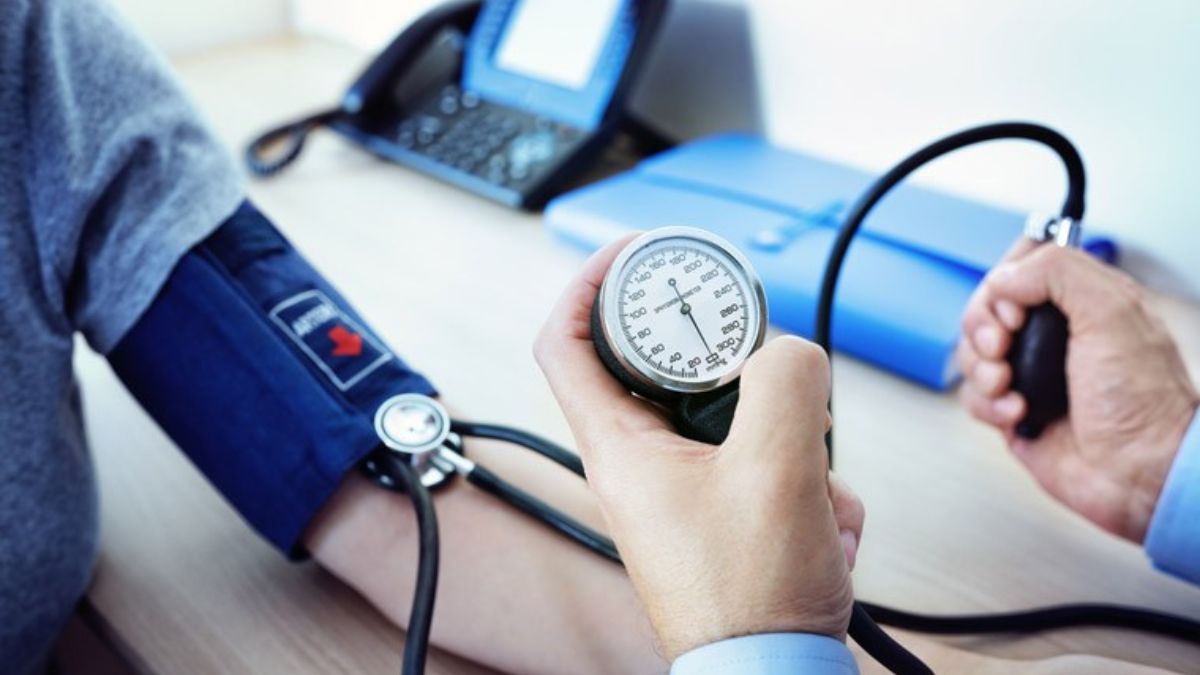
Today marks World Hypertension Day, with health experts urging New Zealanders to prioritise regular blood pressure checks and adopt healthier lifestyles to mitigate the risks of serious complications. High blood pressure, often called the ‘silent killer,’ affects a significant portion of the population and can lead to heart disease, stroke, and kidney failure if left unmanaged.
The core message from health professionals this year is simple: early detection and proactive lifestyle adjustments can make a substantial difference. Experts highlight that many people are unaware they have high blood pressure, making routine checks crucial. These checks can be performed at general practices, pharmacies, or even with home blood pressure monitors.
While medication plays a vital role in managing hypertension for some, lifestyle changes are considered a cornerstone of prevention and control for everyone. The seven key changes frequently recommended include:
- Dietary improvements: Reducing salt intake, increasing fruit and vegetable consumption, and limiting processed foods.
- Regular exercise: Aiming for at least 30 minutes of moderate-intensity exercise most days of the week.
- Weight management: Maintaining a healthy weight reduces strain on the cardiovascular system.
- Limiting alcohol consumption: Excessive alcohol intake can raise blood pressure.
- Quitting smoking: Smoking damages blood vessels and increases blood pressure.
- Stress management: Practicing relaxation techniques like meditation or yoga can help lower stress levels.
- Adequate sleep: Aiming for 7-8 hours of quality sleep each night.
Timely treatment is also emphasised. If blood pressure readings are consistently high, individuals are strongly encouraged to consult with a healthcare professional to discuss appropriate treatment options, which may include medication and ongoing monitoring. World Hypertension Day serves as a vital reminder to take control of your heart health and seek help when needed. Further information and resources can be found on the websites of the Heart Foundation and the Ministry of Health.