
WHO Declares Ebola Emergency: New Strain Concerns Rise
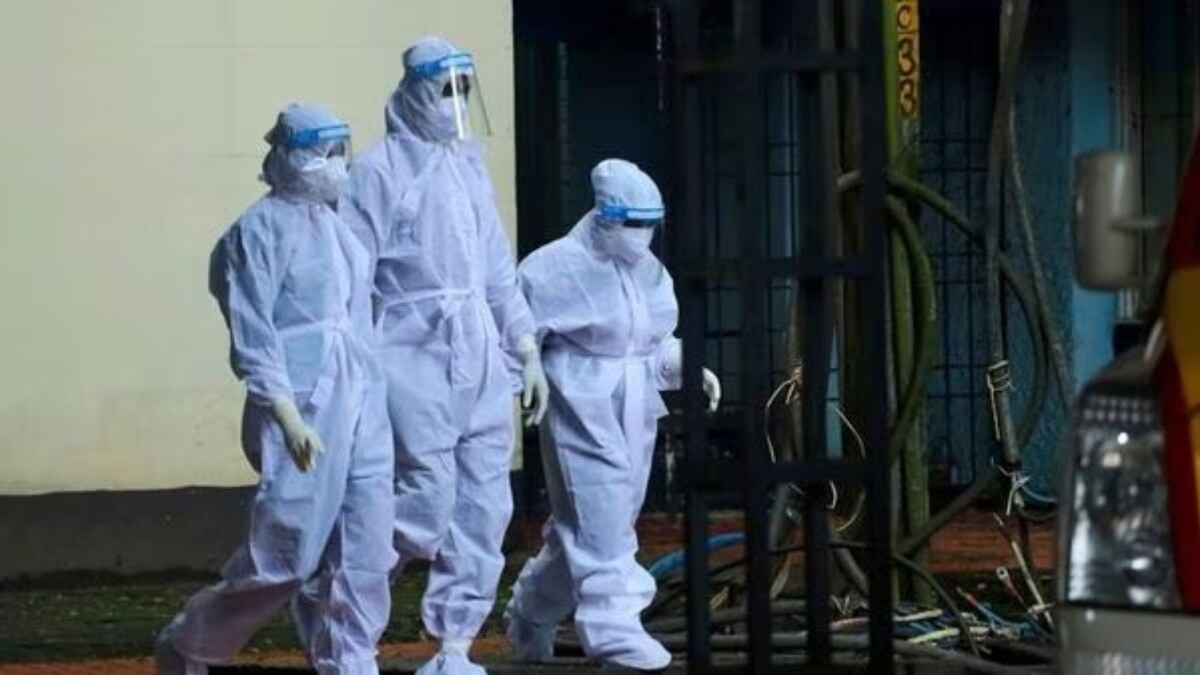
The World Health Organization (WHO) has declared an Ebola outbreak a global health emergency, marking the second time in just over a decade the rare but deadly disease has triggered this level of international concern. The declaration, announced earlier today, signals a need for increased coordination and resources to contain the virus's spread.
Ebola is a severe and often fatal illness characterized by symptoms including fever, intense fatigue, muscle pain, and internal bleeding. The disease spreads through direct contact with bodily fluids – such as blood, vomit, or semen – from infected individuals, or with objects contaminated with these fluids. Transmission typically requires close contact, unlike airborne illnesses.
While the current outbreak is localized, the WHO's decision to declare a global health emergency reflects the potential for rapid international spread and the need to bolster preparedness in countries beyond the affected region. The designation allows for the mobilization of additional funding and resources, and encourages countries to implement stricter travel and health screening measures.
Previous Ebola outbreaks, most notably in West Africa between 2014 and 2016, resulted in thousands of deaths and underscored the devastating impact of the disease. The current strain's characteristics and potential for mutation are also being closely monitored by health officials globally. The WHO will continue to assess the situation and provide guidance to countries on prevention, detection, and response measures. Further details regarding the specific location and extent of the current outbreak are expected to be released shortly.


