
India's NFHS-6: Malnutrition Drops, Lifestyle Diseases Surge
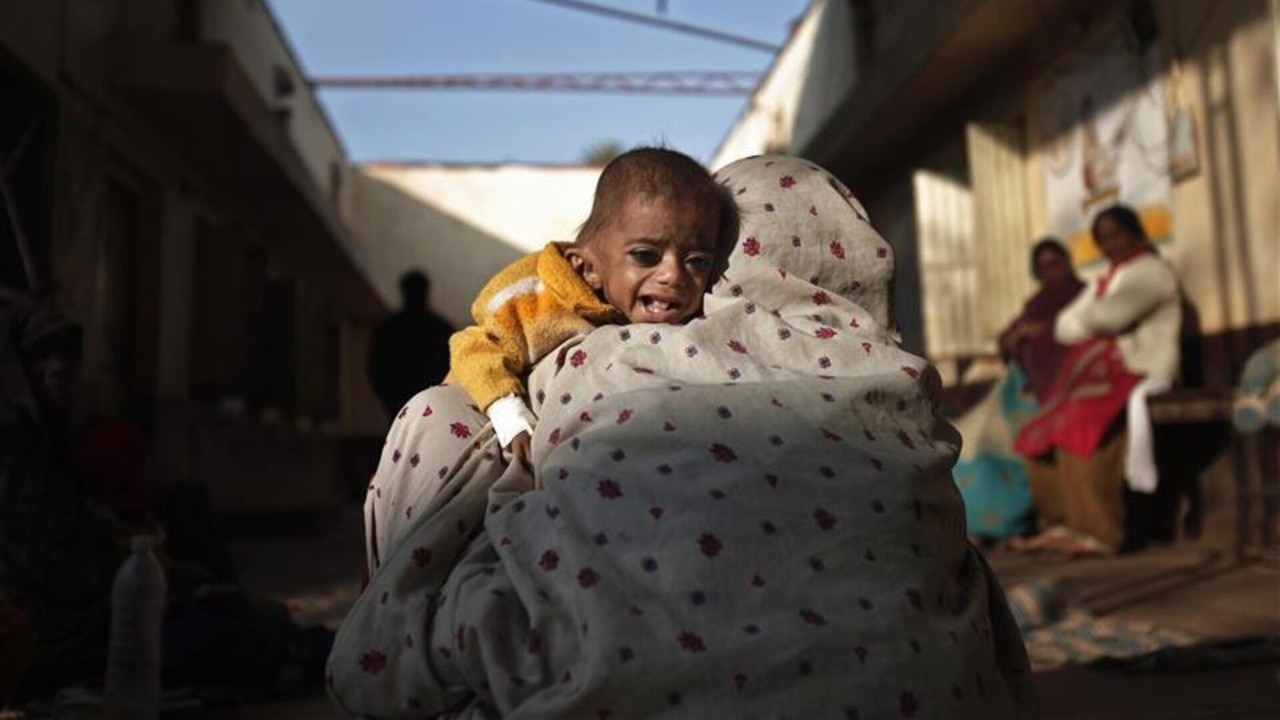
New Delhi – India’s National Family Health Survey (NFHS-6) reveals a complex public health picture, showing improvements in child nutrition alongside a concerning rise in lifestyle diseases. The survey, released recently, indicates declines in child stunting and severe wasting, alongside positive trends in immunisation rates and maternal healthcare access.
The NFHS-6 data highlights a significant reduction in child stunting, a key indicator of long-term health and development. Similarly, the prevalence of severe wasting, a more acute form of malnutrition, has also decreased. This suggests progress in addressing childhood undernutrition, potentially driven by targeted interventions and improved access to nutritious food.
However, the survey also paints a worrying picture of escalating health challenges related to lifestyle and chronic conditions. The report flags a notable increase in obesity and the prevalence of non-communicable diseases (NCDs) such as diabetes and heart disease. This dual burden – declining malnutrition alongside rising NCDs – presents a significant challenge for India's public health system.
The NFHS is a large-scale, nationally representative household survey conducted in India. It collects data on a wide range of health indicators, including nutrition, reproductive health, family planning, and child health. The sixth round of the survey provides valuable insights into the health status of the Indian population and informs policy decisions aimed at improving public health outcomes. The survey data is crucial for tracking progress towards national and international health goals, and for identifying areas where targeted interventions are needed.
Experts suggest that the rise in lifestyle diseases is linked to factors such as changing dietary habits, reduced physical activity, and increased urbanization. Addressing this trend will require a multi-faceted approach, including promoting healthy eating, encouraging regular exercise, and implementing policies to create healthier environments. The findings underscore the need for a shift in focus within India’s public health strategies to address the growing burden of NCDs while sustaining gains in maternal and child health.