
Musk Sues OpenAI: AI Paradigm Battle Hits California Courts
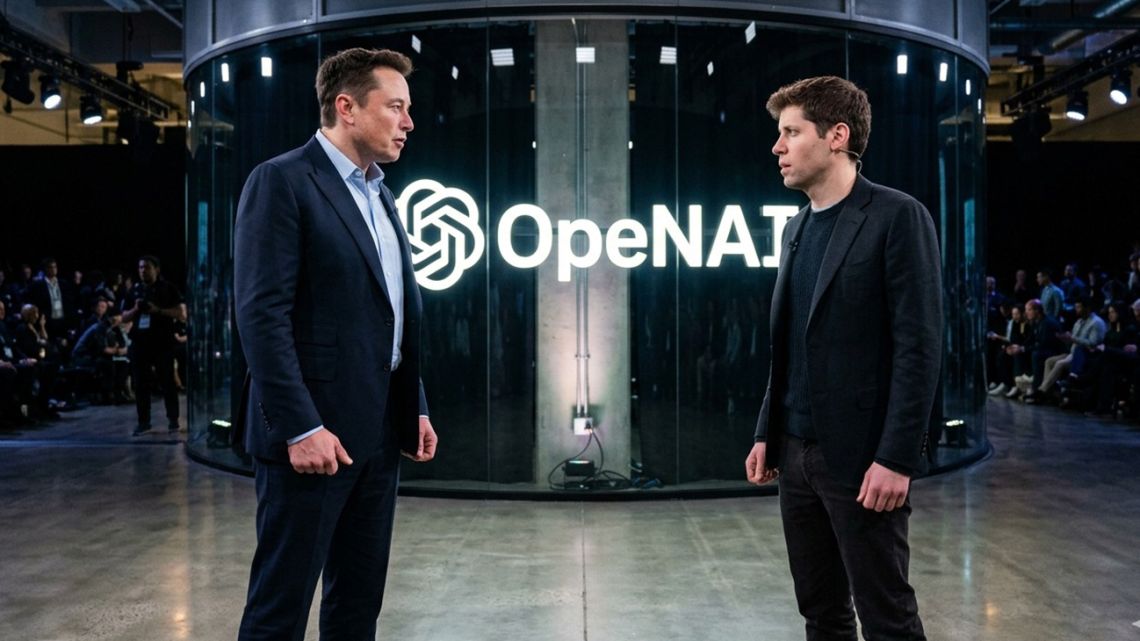
A legal battle is unfolding in California as Elon Musk, along with others, has filed a lawsuit against OpenAI, the artificial intelligence company he helped found. The lawsuit alleges that OpenAI violated its founding agreement by pivoting towards developing and deploying commercial AI models without prioritizing open-source access and safety.
The core of the dispute centers on OpenAI's shift from its initial non-profit mission to a for-profit structure and its subsequent development of powerful AI models like ChatGPT, which have garnered widespread commercial interest. Musk’s complaint, filed in San Francisco, claims that OpenAI’s pursuit of profit has compromised its commitment to ensuring AI benefits all of humanity, a principle enshrined in the original 2015 agreement that established the company.
The lawsuit names OpenAI CEO Sam Altman, alongside the company itself, as defendants. Musk alleges that Altman and OpenAI’s board actively concealed the company's commercial ambitions and the development of advanced AI models from him and other co-founders. The filing seeks to compel OpenAI to adhere to its original mission and to prevent further development of proprietary AI models that prioritize profit over safety and open access.
OpenAI has not yet issued a detailed public response to the lawsuit, but sources close to the company suggest they plan to vigorously defend against the claims. The lawsuit's implications extend beyond the immediate parties involved, raising broader questions about the governance and ethical responsibilities of AI developers, particularly as AI technology rapidly advances and becomes increasingly integrated into various aspects of society. The case highlights the potential conflicts between commercial interests and the original ideals of open-source AI research, sparking a wider debate about the future direction of artificial intelligence development.
Musk's involvement adds another layer of complexity to the situation, given his vocal concerns about the potential risks of unchecked AI development and his previous warnings about the need for responsible AI governance. The lawsuit is expected to draw significant attention from the tech industry, legal experts, and policymakers, as it could set a precedent for the regulation and oversight of AI companies.